




In the ever-evolving landscape of data transfer, businesses are confronted with a myriad of options to exchange information securely. Two prominent methods that have gained significant traction are SFTP (Secure File Transfer Protocol) and API (Application Programming Interface). Each approach comes with its own set of advantages and considerations, making the choice between SFTP vs API a critical decision for organizations seeking efficient and secure data transfer solutions.
Understanding SFTP

Secure File Transfer Protocol, or SFTP, is a secure version of the traditional File Transfer Protocol (FTP). Unlike FTP, which transfers data in an unencrypted format, SFTP encrypts the data during transit, providing a secure and private channel for file transfer.
Key Features Of SFTP
- Encryption: SFTP employs encryption algorithms to secure data, mitigating the risk of unauthorized access or interception during transmission.
- Authentication: Users must authenticate themselves before accessing SFTP servers, ensuring that only authorized personnel can initiate or receive transfers.
- Reliability: SFTP is known for its reliability, with built-in error-checking mechanisms that enhance the integrity of data transfers.
- Firewall Friendly: SFTP operates over a single port (typically port 22), making it firewall-friendly and simplifying network configurations.
Advantages Of SFTP
- Security: SFTP’s primary strength lies in its robust security measures. The encryption protocols used in SFTP ensure that sensitive data remains confidential throughout the transfer process.
- Ease of Use: SFTP is user-friendly and doesn’t require extensive programming knowledge. Many popular file transfer clients support SFTP, making it accessible to a broad user base.
- File Management: SFTP supports various file management operations, allowing users to rename, delete, or move files seamlessly.
- Reliability: With error-checking mechanisms in place, SFTP is known for its reliability, ensuring that data reaches its destination accurately.
Unpacking API
An Application Programming Interface, or API, is a set of rules and tools that enables different software applications to communicate with each other. APIs act as intermediaries, facilitating the exchange of data and functionalities between diverse systems.
Key Features Of APIs
- Interoperability: APIs promote interoperability by enabling different software applications to exchange data and functionalities seamlessly.
- Scalability: APIs are scalable, allowing businesses to adapt and expand their systems without significant overhauls.
- Real-time Data Access: APIs provide real-time access to data, ensuring that the information shared between applications is up-to-date.
- Automation: Automation is a key benefit of APIs, as they allow for the integration of various processes, reducing manual intervention.
Advantages Of APIs
- Real-time Integration: APIs excel in providing real-time integration capabilities, making them ideal for applications that require instant data updates.
- Scalability and Flexibility: API architecture is highly scalable and flexible, allowing businesses to adapt and expand their systems as needed without significant disruptions.
- Automation and Efficiency: APIs facilitate automation, reducing manual intervention and streamlining processes for increased efficiency.
- Developer-Friendly: APIs are designed with developers in mind, offering clear documentation and ease of implementation.
SFTP vs API: A Comparative Analysis

While both SFTP and APIs have their benefits, there are some significant differences between them. Here’s a breakdown of the key differences:
1. Security
- SFTP: SFTP is renowned for its robust security measures. The encryption protocols used in SFTP ensure that data remains confidential during transit. This makes SFTP a preferred choice when the secure transfer of sensitive information is paramount.
- API: While APIs can be secure, the level of security often depends on the implementation. APIs can utilize various authentication methods, including API keys, OAuth, and token-based authentication. However, the responsibility of securing the data often falls on the developers implementing the API.
Conclusion: In terms of out-of-the-box security, SFTP has a clear advantage. However, with proper implementation and adherence to security best practices, APIs can also provide a secure data transfer environment.
2. Ease Of Use
- SFTP: SFTP is generally user-friendly and doesn’t require extensive programming knowledge. Many file transfer clients offer graphical user interfaces (GUIs) for SFTP, making it accessible to a broad user base.
- API: APIs, on the other hand, might require a higher level of technical expertise. While developer-friendly, the implementation and usage of APIs can be more complex, especially for non-technical users.
Conclusion: For organizations with non-technical users involved in data transfer, SFTP’s ease of use might make it a more practical choice. However, for businesses with a dedicated development team, APIs offer powerful capabilities that can be harnessed with the right expertise.
3. File Management Capabilities
- SFTP: SFTP excels in file management operations. Users can easily perform tasks such as renaming, deleting, or moving files within the SFTP environment.
- API: APIs focus more on data exchange between systems rather than direct file management. While file-related operations can be implemented using APIs, they might not be as straightforward as with SFTP.
Conclusion: If file management is a crucial aspect of data transfer, SFTP provides a more intuitive solution. APIs are better suited for scenarios where the emphasis is on real-time data exchange and system integration.
4. Real-time Integration And Automation
- SFTP: SFTP is primarily designed for file transfer and lacks the real-time integration capabilities of APIs. Automation is possible with SFTP, but it might require additional scripting and scheduling.
- API: APIs shine when it comes to real-time integration and automation. They enable seamless communication between applications, allowing for instant updates and automated workflows.
Conclusion: For businesses requiring real-time data updates and streamlined automation, APIs offer a distinct advantage. SFTP, while reliable, might be better suited for scenarios where real-time integration is not a critical requirement.
Choosing Between SFTP And API: Considerations For Businesses
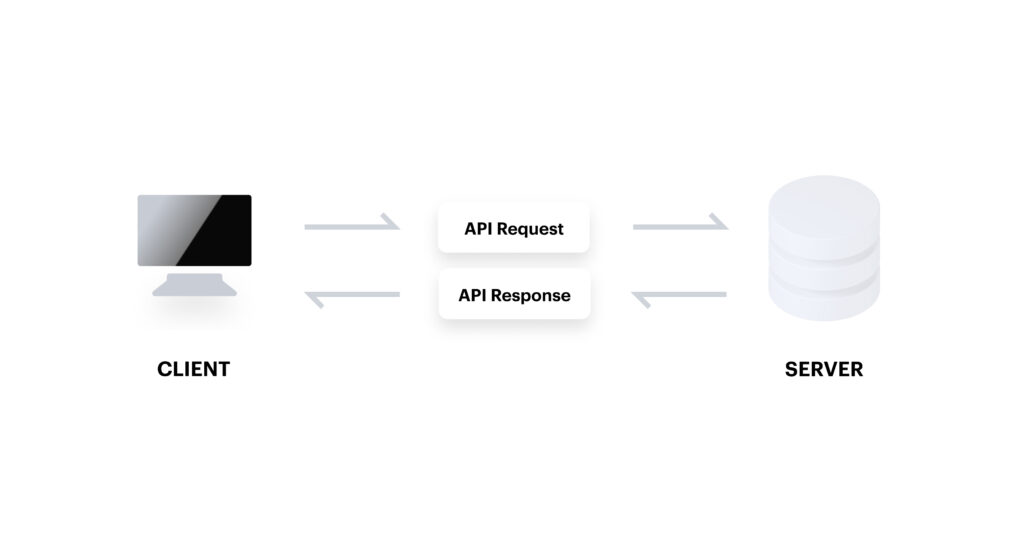
The choice between SFTP and API is not always clear-cut. Both have their strengths and weaknesses, and a business should consider the following factors before making a decision:
1. Nature Of Data Transfer
- SFTP: Ideal for scenarios where secure and reliable file transfer is the primary requirement. SFTP is well-suited for batch transfers and scenarios where files need to be moved securely between systems.
- API: Best suited for real-time data integration, where applications need to communicate and exchange data seamlessly. APIs are excellent for scenarios requiring instant updates and automation.
Consideration: Evaluate the nature of your data transfer needs. If file-based transfers are predominant, SFTP might be the better choice. For businesses focusing on real-time integration and automation, APIs offer a more suitable solution.
2. User Base And Technical Expertise
- SFTP: Accessible to a broader user base, including non-technical users. SFTP’s user-friendly interfaces make it suitable for organizations with diverse skill sets.
- API: Requires a higher level of technical expertise. APIs are developer-centric, and implementation might involve coding and integration into existing systems.
Consideration: Consider the skill set of your team and the end-users involved in the data transfer process. If technical expertise is limited, SFTP provides a more straightforward solution. For organizations with dedicated development teams, APIs offer powerful capabilities.
3. Security Requirements
- SFTP: Offers robust security out of the box. SFTP’s encryption protocols make it a secure choice for transferring sensitive information.
- API: Security depends on the implementation. While APIs can be secured using various authentication methods, the responsibility for secure data transfer rests on the developers.
Consideration: Evaluate the sensitivity of the data being transferred. For highly sensitive information, where security is paramount, SFTP provides a secure and reliable solution. APIs can be secure with proper implementation but require diligent adherence to security best practices.
4. Scalability And Future Growth
- SFTP: Scalable to a certain extent but might require additional configurations for expansion. SFTP is well-suited for organizations with stable and predictable data transfer needs.
- API: Highly scalable and flexible. APIs accommodate growth and changes in data transfer requirements, making them suitable for dynamic and expanding businesses.
Consideration: Consider your organization’s growth trajectory and potential changes in data transfer requirements. If scalability and flexibility are critical, APIs provide a more future-proof solution.
Conclusion: Striking the Right Balance
In the SFTP vs API debate, there is no one-size-fits-all solution. The choice between SFTP and API depends on various factors, including the nature of data transfer, security requirements, user expertise, and scalability needs. Organizations must carefully evaluate their specific use cases and priorities to make an informed decision.
SFTP remains a stalwart in secure file transfer, providing a reliable and straightforward solution for businesses with batch-oriented data transfer needs. Its ease of use and robust security make it an attractive choice, particularly for organizations that prioritize simplicity and security.
On the other hand, APIs shine in scenarios where real-time data integration, automation, and scalability are paramount. With the ability to seamlessly connect diverse systems and enable instant data updates, APIs cater to the dynamic needs of modern businesses aiming for agility and efficiency.
Ultimately, businesses might find that a hybrid approach, incorporating both SFTP and APIs where appropriate, offers the flexibility to meet diverse data transfer requirements. Striking the right balance between the reliability of SFTP and the agility of APIs can empower organizations to navigate the complexities of the digital landscape and ensure efficient, secure, and future-proof data transfer solutions.


